
 Redback NZ

Choosing the right weed control equipment can be confusing. With so many terms like weed wiper, wick wiper, and wick applicator, it’s easy to get lost. While these names refer to similar technology, they often describe different types of machines. This guide will clarify the differences and help you understand the best option for your farm.
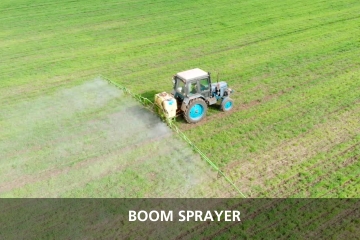
The Problem With Spraying Pasture
When you’re looking to invest in a new weed control solution, it’s important to understand the pitfalls of older methods. Traditional spraying can be costly due to chemical waste, and its high risk of drift can lead to damaged crops or poor results on windy days. The best weed wipers on the market are designed to overcome these very challenges.
Understanding the Different Types of Weed Wipers
Weed wipers work on a simple, effective principle: they apply herbicide directly onto the leaves of taller weeds, leaving the shorter grass untouched. The primary difference between models is the method of application.
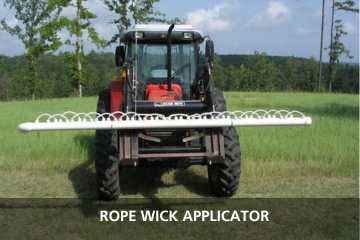
1. Rope Wick Applicators
These are an older style of weed wiper that use thick, absorbent ropes or fibers to transfer herbicide. While effective at targeting taller weeds, they can lead to inconsistent coverage and may be prone to dripping.
2. Carpet Wick Wipers
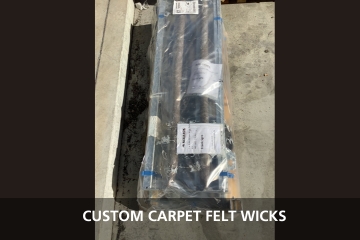
Carpet wick wipers are a modern, more efficient version of the technology. They use a broad, absorbent fabric to distribute herbicide evenly, offering superior control and efficiency with less dripping than rope wicks. The Redback Weedwiper is a leading example of a highly effective carpet wick system.
3. Roller Wipers
These machines feature a rotating drum that applies herbicide. They are effective but can be prone to chemical runoff and may offer less precise control on uneven ground compared to wick-based designs.
4. Handheld Applicators
These are smaller, manually operated versions of the same technology. They are ideal for small-scale weed control in gardens, around fence lines, or in areas where a larger machine cannot reach.
Power Options for Weed Wipers
For the three main towed types (Rope Wick, Carpet Wick, and Roller), you will generally find two power options that determine how the machine operates.
-
Trailed Versions: These are passive models designed to be pulled behind a vehicle like an ATV, UTV, or quad bike. The herbicide is typically fed by gravity or a small electric pump. Trailed models are a versatile option for managing smaller properties or accessing areas where a tractor is not practical.
-
PTO-Driven Versions: PTO stands for Power Take-Off. This means the weed wiper is connected directly to a tractor’s PTO shaft, which provides mechanical power. The PTO powers a pump to feed the wicks, or in the case of a roller wiper, it can actively spin the roller. PTO-driven models are a distinct category from passive towed models because they use the tractor’s power to actively apply the herbicide, making them suitable for large-scale operations with a consistent application rate.
What to Look for in a Quality Weed Wiper
Regardless of the name, the best weed wiper for your farm will have three key qualities: a durable frame, precise height control, and a superior wick design.
-
Frame Durability: A strong, heavy frame is essential to prevent bending and ensure the machine withstands the rigors of farm work.
-
Height Control: The ability to easily and precisely adjust the height of the wicks or rollers is critical for targeting weeds of different sizes.
-
Efficient Wicks: The wick material and design should minimize dripping and ensure a consistent, even application of herbicide across the full width of the machine.
Why the Redback Weed wiper is the Best Choice
When you understand what a quality weed wiper should offer, it becomes clear why the Redback Weedwiper is the best choice. By combining a rugged, heavy-duty frame that stands up to demanding conditions, with a superior carpet wick system that ensures a consistent application, and a simple-to-use winder for precise height adjustment, it directly addresses the key buying criteria. The Redback Weedwiper is designed to overcome the common weaknesses of other applicators, giving you a reliable, efficient tool for long-term pasture management.
???? Learn more about the Redback Weedwiper and find the right model for your farm
Publish Date: Jan 3o 2025